Last Updated on March 26, 2026 by CU Staff
If you are thinking about buying a gaming laptop in 2026, here is the short answer: yes, gaming laptops are absolutely worth it for most people, but only if you pick the right one for your needs. Modern gaming laptops deliver desktop-level performance in a portable form factor, handle everything from AAA games to professional workloads, and last significantly longer than budget alternatives. However, they come with trade-offs like higher prices, heavier builds, and shorter battery life. The key is matching your expectations to what these machines actually offer.
Quick Verdict
| Pros | Cons |
|---|---|
| Powerful hardware for gaming, work, and creative tasks | More expensive than regular laptops |
| Longer usable lifespan due to premium components | Heavier and bulkier than ultrabooks |
| High-refresh-rate displays for smooth visuals | Shorter battery life under load |
| Versatile enough to replace multiple devices | Can produce noticeable heat during heavy use |
| Better resale value over time | Overkill for basic everyday tasks |
What Makes Gaming Laptops Different?
Before deciding whether a gaming laptop is worth your money, it helps to understand what sets them apart from regular laptops. If you are new to this topic, our complete guide on what a gaming laptop actually is breaks down everything from the hardware inside to how these machines are designed.
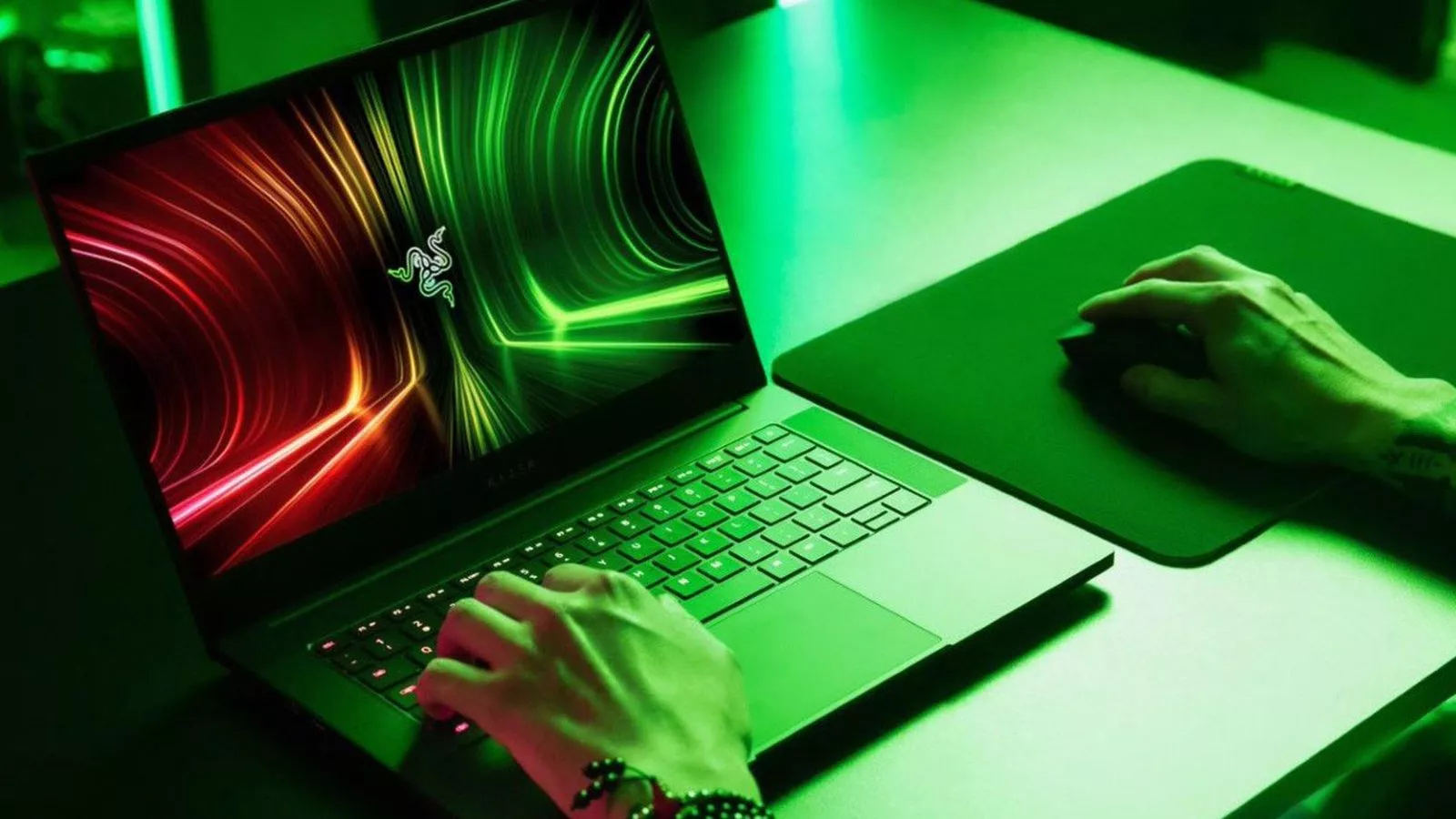
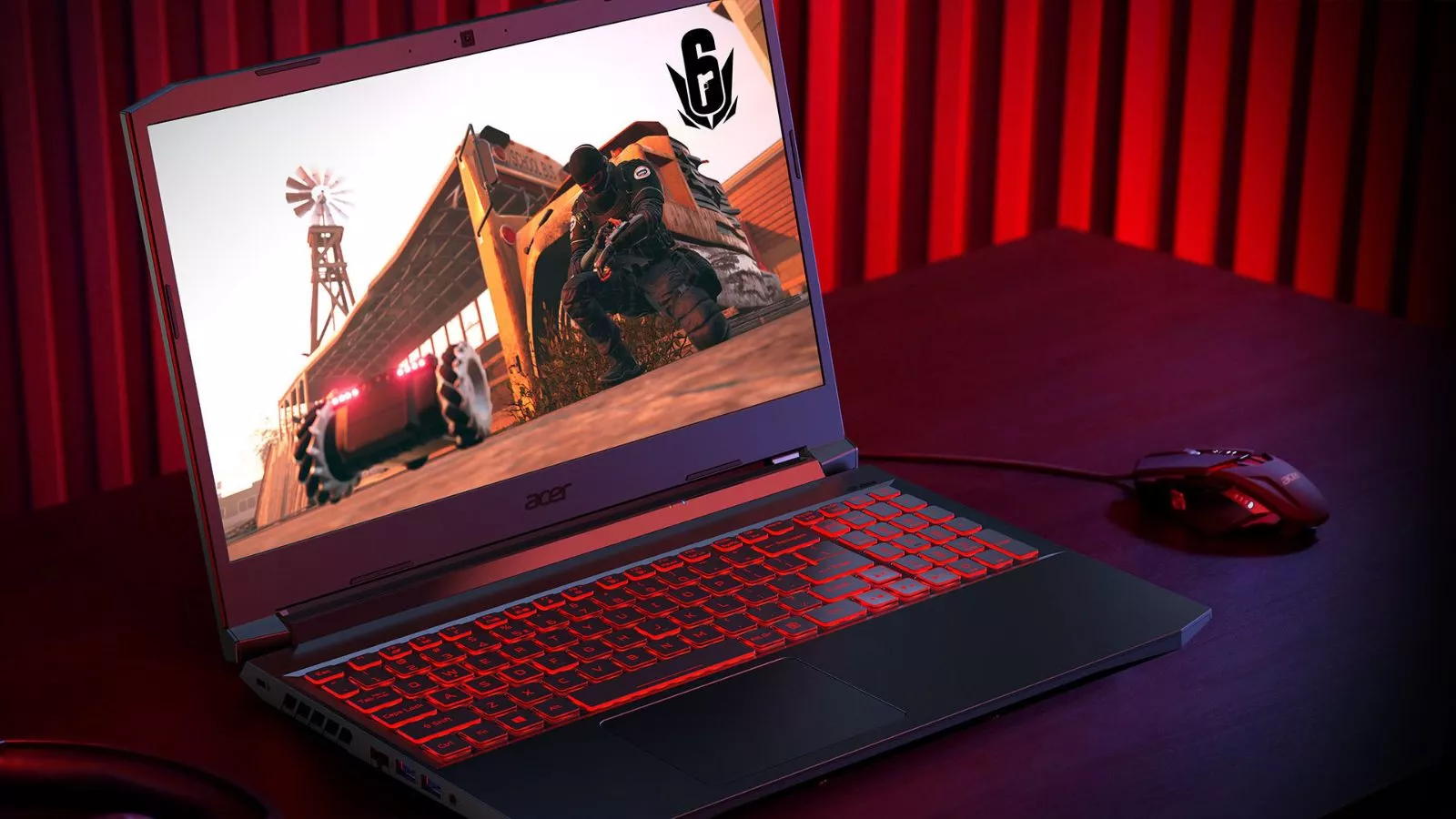
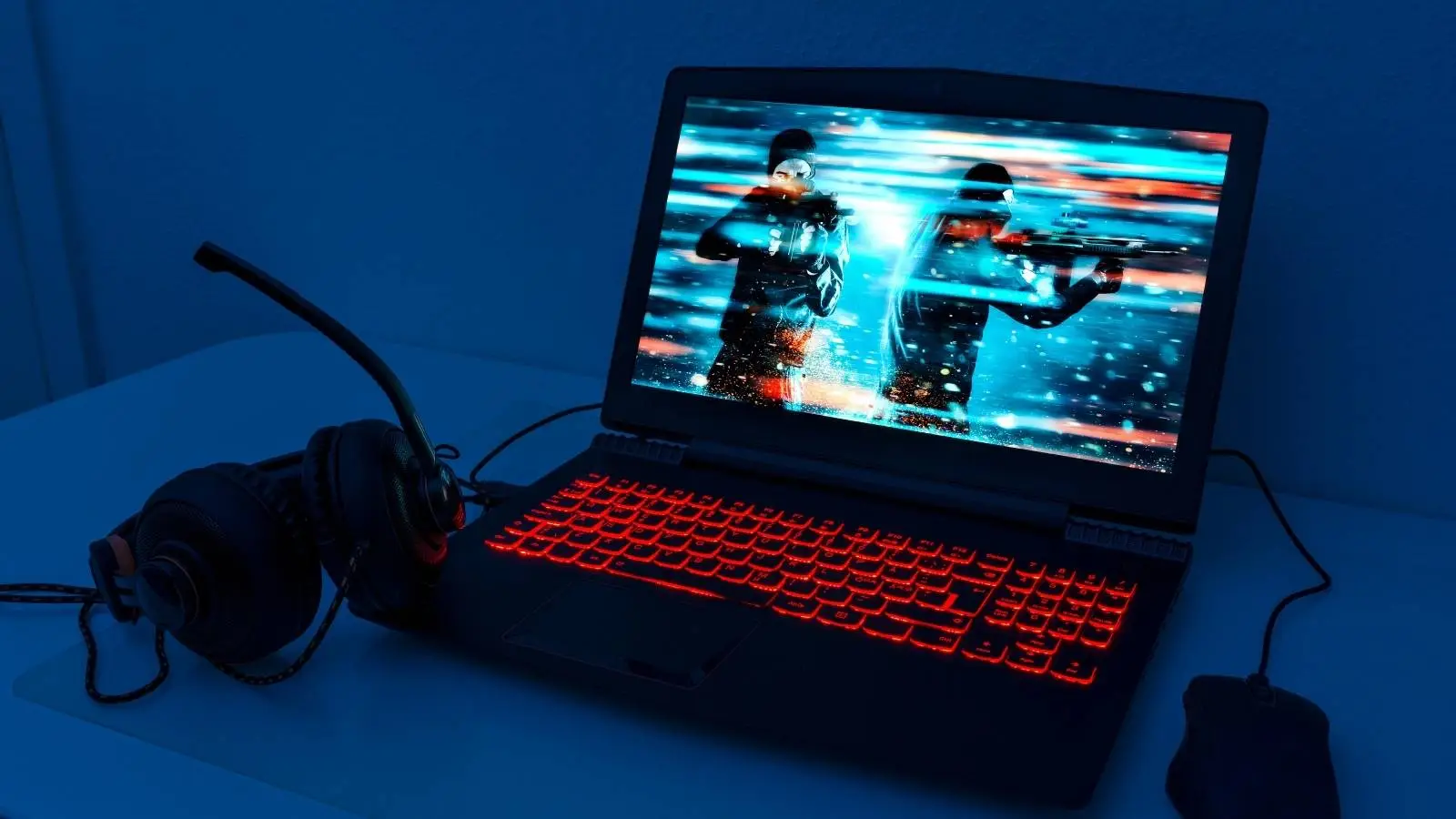
At their core, gaming laptops are built around two major components that regular laptops either lack or include in weaker forms: a dedicated graphics card (GPU) and a high-performance processor (CPU). The GPU is the component responsible for rendering game visuals, 3D models, and video effects. Standard laptops typically rely on integrated graphics, which share memory with the CPU and can only handle light tasks like web browsing and document editing. A gaming laptop, on the other hand, features a discrete GPU from NVIDIA or AMD with its own dedicated video memory, often ranging from 6 GB to 16 GB of VRAM in 2026 models.
The CPU in a gaming laptop is also several tiers above what you find in a typical office machine. Most gaming laptops in 2026 ship with processors that have 8 to 14 cores, enabling them to handle multitasking, streaming, compiling code, and running background processes without slowing down. Pair that with faster RAM speeds, NVMe solid-state drives, and high-refresh-rate displays (144Hz to 240Hz), and you have a machine that is engineered for demanding workloads across the board.
Another defining feature is the cooling system. Gaming laptops use larger heat pipes, multiple fans, and strategically placed vents to manage the significant heat produced by powerful components. This is one of the main reasons gaming laptops tend to be bulkier than standard ultrabooks. That extra size is not wasted space; it is filled with hardware designed to keep your machine stable during hours of intense use.
Pros of Gaming Laptops
High Performance Across the Board
The biggest advantage of a gaming laptop is raw performance. Whether you are playing the latest open-world RPG, rendering a 4K video timeline, or running multiple virtual machines, a gaming laptop handles it all without breaking a sweat. The combination of a powerful CPU, dedicated GPU, fast storage, and ample RAM means you rarely hit a performance ceiling during everyday or professional use.
True Multi-Purpose Machines
One of the most overlooked benefits is versatility. A gaming laptop is not just for gaming. It is equally capable as a workstation for content creation, software development, data analysis, and design work. If you are a student wondering whether one machine can handle both coursework and downtime gaming, the answer is yes. In fact, gaming laptops are an excellent choice for students who want a single device that covers academic work, creative projects, and entertainment.
The same versatility extends to professional environments. Many remote workers and freelancers have discovered that gaming laptops handle office work and productivity tasks far better than standard business laptops, especially when running demanding software like large spreadsheets, databases, or virtual meetings with screen sharing.
Creative professionals benefit just as much. A capable gaming laptop can serve as a full video editing workstation with smooth timeline scrubbing, fast export times, and real-time effects preview. Musicians and audio producers will also find that the processing power translates well to music production workflows, handling large sample libraries and multiple plugin instances without audio dropouts.
Longevity and Future-Proofing
Because gaming laptops use higher-tier components, they tend to remain usable for a longer period compared to budget machines. A well-chosen gaming laptop purchased in 2026 can comfortably serve you for four to six years before you start feeling the need to upgrade. Regular laptops, especially those in the budget category, often begin showing their age within two to three years as software demands increase.
Better Build Quality
Gaming laptops from reputable brands typically feature sturdier construction, better keyboards with longer key travel, improved display panels with wider color gamuts, and higher-quality speakers. These are not just cosmetic improvements. They contribute to a noticeably better daily experience whether you are gaming, typing essays, or watching content.
Cons of Gaming Laptops
Higher Upfront Cost
There is no way around it. Gaming laptops cost more than regular laptops. Entry-level gaming machines start around 800 to 1000 dollars, while mid-range options that deliver a genuinely good experience sit in the 1200 to 1800 dollar range. Premium models can easily exceed 2500 dollars. For someone who only needs a laptop for email, web browsing, and light document work, this investment does not make financial sense.
Weight and Portability
The powerful hardware and advanced cooling systems inside gaming laptops add weight. Most gaming laptops weigh between 2.2 and 3.5 kilograms (roughly 5 to 8 pounds), which is noticeably heavier than a 1.3 kilogram ultrabook. If you carry your laptop to classes, meetings, or coffee shops every day, this added weight becomes a real consideration. The reason for this extra bulk is directly tied to the thermal management systems and larger batteries required. You can learn more about why gaming laptops are bulkier than regular ones to understand the engineering trade-offs involved.
Battery Life Limitations
Powerful components consume more energy. While modern gaming laptops have improved significantly in power efficiency, you should still expect three to six hours of battery life during regular productivity tasks, and considerably less while gaming. Most gamers end up plugging in during gameplay sessions, which somewhat limits the portability advantage. If you are curious about energy consumption specifics, we have a detailed breakdown of how many watts a laptop uses under different workloads.
Heat Generation
Under heavy loads, gaming laptops generate substantial heat. The fans spin faster, the keyboard area can get warm, and the noise level increases. While this is normal and expected, it can be uncomfortable during extended sessions. Proper thermal management is critical, and knowing how to keep your laptop cool during gaming can make a significant difference in both comfort and hardware longevity. Many users also wonder whether they need an external accessory to help with temperatures, and the truth is that most gaming laptops can be used without a cooling pad as long as you follow basic thermal management practices.
Who Should Buy a Gaming Laptop?
Gamers Who Want Portability
If you play PC games and need a machine you can move between rooms, take to a friend’s house, or bring on trips, a gaming laptop is the obvious choice. Desktop PCs still offer better price-to-performance ratios, but they are not portable. A gaming laptop bridges that gap.
Students and Learners
Students benefit enormously from gaming laptops because a single purchase covers four or more years of academic work, personal projects, and entertainment. Instead of buying a cheap laptop now and replacing it in two years, investing in a solid gaming laptop means you have a capable machine throughout your entire college experience.
Content Creators and Freelancers
Video editors, graphic designers, 3D artists, music producers, and streamers all need powerful hardware. A gaming laptop with a strong GPU and fast processor handles these creative workloads efficiently, often matching or exceeding the performance of dedicated workstation laptops that cost significantly more.
Professionals Who Need Power on the Go
Software developers, data scientists, engineers, and other professionals who work with resource-intensive applications will find gaming laptops to be surprisingly practical. The hardware handles compiling code, running simulations, managing containers, and processing large datasets without the constant waiting that plagues underpowered machines.
Who Should NOT Buy a Gaming Laptop?
Not everyone needs the firepower a gaming laptop provides, and spending money on hardware you will never fully use is wasteful.
Casual users who primarily browse the web, check email, stream videos, and use basic office applications are better served by a mid-range ultrabook or a Chromebook. These machines cost a fraction of the price, weigh less, and offer longer battery life for everyday tasks.
Extremely budget-conscious buyers looking for a laptop under 500 dollars will not find worthwhile gaming performance at that price point. At that budget, it is smarter to get the best general-purpose laptop available rather than a heavily compromised gaming machine with outdated components.
Users who prioritize maximum battery life above all else, such as frequent travelers who work on flights or in places without easy access to power outlets, will find gaming laptops limiting. If all-day battery life is non-negotiable, a thin-and-light ultrabook designed for efficiency is a better match.
Gaming Laptop vs Regular Laptop: Quick Comparison
| Feature | Gaming Laptop | Regular Laptop |
|---|---|---|
| Processor | High-performance (8-14 cores) | Mid-range (4-8 cores) |
| Graphics Card | Dedicated GPU (6-16 GB VRAM) | Integrated graphics |
| RAM | 16-32 GB (fast speeds) | 8-16 GB (standard speeds) |
| Display | 144Hz-240Hz, wide color gamut | 60Hz, standard color |
| Storage | NVMe SSD (1-2 TB) | SATA or NVMe SSD (256 GB-1 TB) |
| Weight | 2.2-3.5 kg | 1.0-1.8 kg |
| Battery Life | 3-6 hours (light use) | 8-14 hours (light use) |
| Price Range | $800-$3000+ | $400-$1200 |
| Lifespan | 4-6 years | 2-4 years |
| Best For | Gaming, creative work, development | Office work, browsing, streaming |
This comparison makes one thing clear: gaming laptops win on performance, display quality, and longevity, while regular laptops win on portability, battery life, and price. Your choice depends on which of those factors matters most to you.
Cost vs Value: Are Gaming Laptops Worth the Price?
The sticker price of a gaming laptop can cause hesitation, but looking at cost per year of useful life tells a different story.
Consider a 1500 dollar gaming laptop that serves you well for five years. That works out to 300 dollars per year, or roughly 25 dollars per month for a machine that handles gaming, work, creative tasks, and everything in between. Compare that to an 800 dollar regular laptop that needs replacing after three years: that is 267 dollars per year for a machine that struggles with anything beyond basic productivity. The total cost of ownership over six years actually favors the gaming laptop in many scenarios, especially when you factor in the performance difference.
If you want the best balance of performance and affordability, our guide to the best gaming laptops under 1500 dollars covers options that deliver excellent value without breaking the bank.
For buyers on a tighter budget, buying a used gaming laptop can be a smart way to get significantly more performance per dollar, though it requires careful inspection and informed decision-making.
Tips Before Buying a Gaming Laptop
Making the right purchase requires more than just picking the most expensive option. Here are the most important factors to evaluate before spending your money.
Prioritize cooling design over raw specs. A laptop with a slightly less powerful GPU but excellent thermal management will outperform a poorly cooled machine with better specs on paper. Sustained performance depends entirely on how well the laptop manages heat. If cooling is a top priority for you, check out our list of the best gaming laptops with effective cooling systems to narrow down your options.
Match the GPU to your actual needs. If you primarily play competitive esports titles like Valorant, Counter-Strike, or League of Legends, a mid-range GPU is more than enough. Reserve high-end GPUs for AAA gaming at high settings, 3D rendering, or professional video editing.
Do not overlook the display. A fast GPU means nothing if your screen cannot keep up. Look for at least a 144Hz refresh rate, good color accuracy (especially for creative work), and sufficient brightness for use in varied lighting conditions.
Check the keyboard and trackpad quality. You will interact with these components every single time you use the laptop. A comfortable keyboard with good travel and a responsive trackpad make a noticeable difference in daily satisfaction.
Consider your actual portability needs. If the laptop will mostly sit on your desk, a slightly heavier model with better cooling and a larger screen might serve you better than a thinner machine that thermally throttles under sustained load.
Read user reviews, not just professional benchmarks. Real-world feedback from people who have used a laptop for months reveals issues that short-term reviews often miss, such as fan noise levels over time, hinge durability, and software quirks.
Final Verdict
Gaming laptops are worth it in 2026 for anyone who needs a high-performance portable computer that can handle more than basic tasks. If you game, create content, develop software, or simply want a laptop that will not feel sluggish two years from now, a well-chosen gaming laptop is a sound investment.
However, they are not the right choice for everyone. If your daily computing involves nothing more than web browsing, document editing, and streaming, you will be paying for power you never use. In that case, a competent general-purpose laptop will save you money and weigh less in your bag.
The sweet spot for most buyers in 2026 lies in the 1000 to 1500 dollar range. At this price point, you get a genuinely capable gaming laptop with a modern GPU, a fast processor, 16 GB of RAM, and a quality display. It will handle current games at good settings, power through creative workloads, and remain relevant for years to come.
The bottom line: if performance, versatility, and longevity matter to you, a gaming laptop is one of the smartest tech purchases you can make in 2026.
Frequently Asked Questions
Are gaming laptops worth it for students?
Yes, gaming laptops are an excellent choice for students who want one device that covers academics, creative projects, and entertainment. The powerful hardware handles demanding coursework like programming, design, and video projects while also letting you unwind with games during downtime. The key is choosing a model that balances performance with reasonable weight, so carrying it to campus is not a burden.
Do gaming laptops last longer than regular laptops?
In most cases, yes. Gaming laptops use higher-quality processors, dedicated graphics cards, more RAM, and faster storage compared to budget or mid-range regular laptops. These premium components age more gracefully as software demands increase. A typical gaming laptop remains comfortably usable for four to six years, while many regular laptops start feeling noticeably slow after two to three years.
Are gaming laptops good for office work and productivity?
Absolutely. Gaming laptops handle office applications, video conferencing, large spreadsheets, and multitasking with ease because their hardware significantly exceeds the requirements for typical office software. The high-refresh-rate displays also make scrolling through documents and web pages noticeably smoother, which is a small but appreciated improvement during long work sessions.
Do gaming laptops overheat easily?
Gaming laptops generate more heat than regular laptops because their components are more powerful. However, well-designed models include robust cooling systems with multiple fans, heat pipes, and optimized airflow to manage temperatures effectively. Problems typically arise from blocked vents, dusty internals, or using the laptop on soft surfaces that restrict airflow. Following proper cooling practices keeps temperatures well within safe operating ranges.
Can a gaming laptop replace a desktop computer?
For most users, yes. Modern gaming laptops in the mid-range and above deliver performance that closely approaches or matches desktop computers at similar price points. The gap has narrowed significantly in recent years thanks to more efficient mobile GPUs and CPUs. The main areas where desktops still hold a clear advantage are upgradability, maximum performance ceilings with the highest-tier components, and sustained performance under extreme workloads.
Is it better to buy a gaming laptop or build a desktop PC?
This depends entirely on whether you need portability. If your computer stays in one place and you want the best performance per dollar, a desktop PC is the stronger value. If you need to move your machine between locations, travel with it, or simply do not have space for a full desk setup, a gaming laptop gives you comparable performance in a portable form. Many users find that a gaming laptop eliminates the need for both a desktop and a separate laptop, which can actually save money overall.
What is a good budget for a gaming laptop in 2026?
For a genuinely good gaming experience, plan to spend between 1000 and 1500 dollars. This range gets you a current-generation mid-range GPU, a capable multi-core processor, 16 GB of RAM, and a solid display with a high refresh rate. Below 1000 dollars, you will need to make meaningful compromises on either the GPU, display quality, or build quality. Above 1500 dollars, you enter enthusiast territory with diminishing returns for most users.